Since 2014 · Cape Town · Addis Ababa · Melbourne
We started with one sack of Yirgacheffe and a second-hand roaster.
Nine years later we still buy the same way — directly, at a published premium, with the farmer’s name on the bag.
Equator Origin began in 2014 with a single sack of Yirgacheffe, a second-hand 5 kg roaster and a stubborn belief: the people who grow coffee should be named, paid properly and mentioned first.
We had spent years buying coffee through importers who could not tell us the name of the washing station, let alone the farmer. So we bought a plane ticket instead. The first lot we ever bought direct — 180 kg of washed heirloom from Gedeb — arrived in Cape Town with handwritten drying notes tucked inside the jute.
What we changed
We pay a fixed premium above the Fairtrade floor, published on every product page. We sign twelve-month agreements so farmers can plan. We buy the whole lot, not just the prettiest screen size. And we put the farmer’s co-operative on the bag, not a stock photo of a smiling stranger.
Two cities, one roastery
Cape Town is where we roast and where the café is. Addis Ababa is where we cup and where the relationships live. Melbourne is where we argue about extraction. The coffee travels by sea, never by air — slower, but roughly forty times lighter on carbon.
“A coffee is only as good as the relationship that grew it. Everything else is marketing.”
The roast
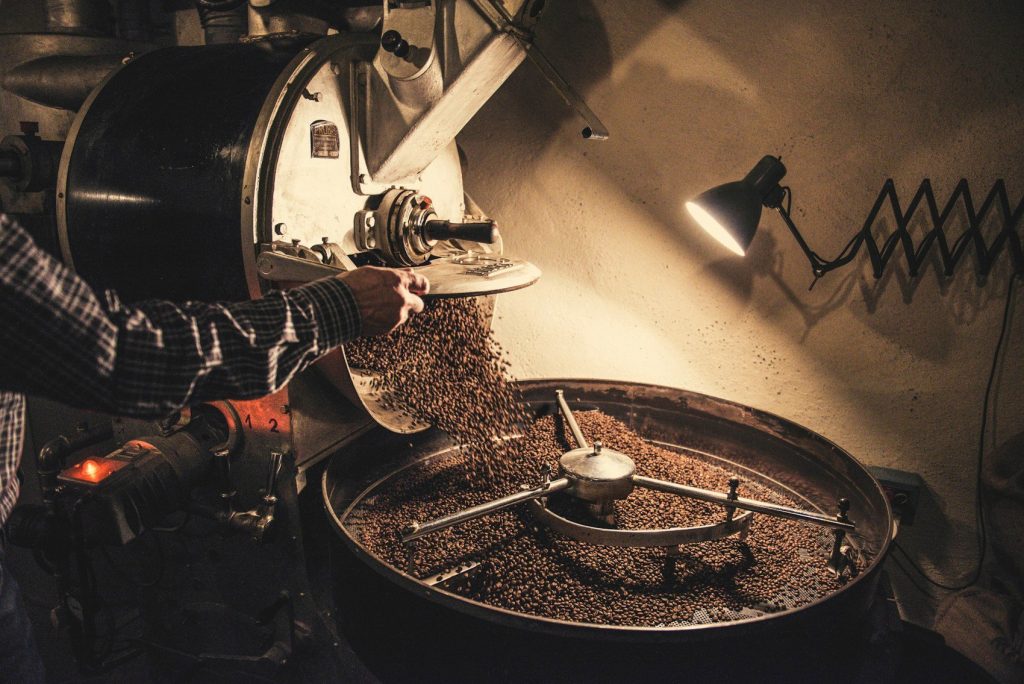
Twelve-kilogram batches, twice a week, on a drum roaster we have run since the beginning. Every lot is profiled separately, cupped three times before release and bagged with a one-way valve within 24 hours. If a batch misses the curve, we drink the mistake ourselves and roast again.
That is the whole trick: buy well, roast carefully, ship fast, and tell the truth about the numbers.